Concord Parks & Recreation Survey Results

I created this survey to gather input from residents to help inform my decisions on the FY2027 budget. I found it really informative and look forward to conducting more surveys. Here are the results from 165 people over the course of one week:


Which improvements to city athletic facilities would most benefit your family?
48 people ranked the following choices in this order:
1st - Better restrooms/field house facilities
2nd - Better track surface and field conditions (e.g., Memorial Field)
3rd - Improved drainage on fields
Tied for 4th - More lighting for evening use & Additional parking or multipurpose fields
Last - Synthetic turf options
Additional comments from 26 people about school sports facilities in Concord?
A dominant theme in these comments is the need to improve Memorial Field and other athletic facilities. Many respondents described the current condition of Memorial Field as unacceptable, citing condemned bleachers, an unusable track, poor field conditions, drainage issues, and deteriorating tennis courts. Several commenters expressed embarrassment that Concord’s facilities compare poorly with those in neighboring communities and argued that student athletes deserve safe, functional, and competitive facilities. Some residents called for additional playing fields and turf fields to meet demand, while others opposed synthetic turf and emphasized that the priority should be providing well-maintained, safe, and usable facilities rather than pursuing more expensive upgrades.
Many comments focused on how Memorial Field serves the broader community beyond school athletics. Respondents noted that the facilities are used by adults, youth organizations, marching band programs, and other community groups, and expressed a desire for improvements that benefit all residents. Several people emphasized that Memorial Field should be a source of community pride and called for better signage, stronger public engagement, and clearer communication about future plans and construction impacts. There was also concern about preserving mature trees and shade around the facility, with some residents urging the city to prioritize repairs and thoughtful improvements over large-scale removals or redevelopment.
Funding, governance, and equity were also recurring concerns. Several respondents questioned spending priorities, particularly when other parks and athletic fields require maintenance and repairs. Some residents expressed frustration that resources appear to be directed toward Beaver Meadow Golf Course while basic field maintenance needs remain unmet elsewhere. Others called for better collaboration between the city and school district to manage Memorial Field, arguing that current decision-making has become divisive. Penacook residents, in particular, raised concerns about funding responsibilities and whether they should be contributing to Memorial Field improvements given their existing tax burden. Overall, the comments reflect strong support for investing in Memorial Field, coupled with a desire for fair funding practices, transparent decision-making, and facilities that serve the broader community.

I used Ranked Choice Voting to determine the top three new or expanded recreational opportunities. 148 votes were cast:


Tree preservation Trash cans Dog waste stations Pools Trail maint. Sports fields Enviro. stewardship Accessibility
In order of importance:
Trash cans & regular litter cleanup
Environmental stewardship overall
Tree preservation & planting
Accessibility for all abilities
Maintaining/upgrading trails & open spaces
Dog waste stations & pet-friendly maintenance
Sports fields & play areas
Pool & aquatics facilities
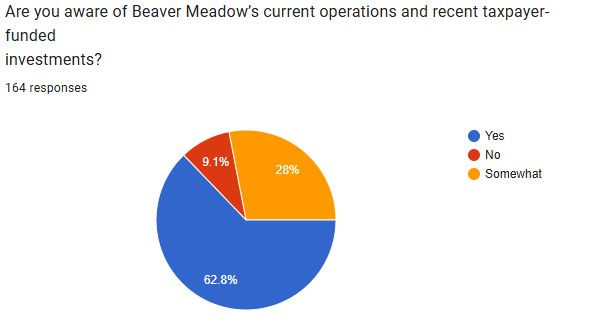


What is one recreation need or idea (especially related to trees, park maintenance, passive use at Beaver Meadow, aquatics, or funding) that would most benefit your family or neighborhood? 105 responses summarized below.
In the combined responses, residents expressed a strong interest in preserving and enhancing Concord’s natural environment while expanding opportunities for passive recreation. Tree planting was one of the most frequently mentioned priorities, with respondents calling for more trees throughout the city, replacement of trees removed at Memorial Field, and stronger protection of existing tree canopy. Many residents also supported environmental stewardship initiatives such as reducing chemical use in public spaces, improving wildlife habitat, and creating nature-based educational opportunities. Suggestions included ropes courses, natural play areas for children, outdoor learning experiences, and recreation that encourages engagement with the natural environment.
Beaver Meadow generated substantial discussion, with many respondents advocating for greater access to passive and year-round recreational uses. Residents expressed interest in walking trails, senior-friendly paths, snowshoeing, cross-country skiing, mountain biking, nature observation, picnicking, community events, fishing access, dog-friendly amenities, and outdoor gathering spaces. While some supported maintaining golf as part of the property’s identity, many others favored expanding non-golf recreation opportunities so that a larger share of residents could benefit from the site. Several comments envisioned Beaver Meadow as a multi-use recreation destination that balances golf with broader community access and environmental preservation.
Aquatics and recreation facilities also emerged as important community needs. Numerous respondents called for longer pool seasons, expanded operating hours, improved pool maintenance, and better access to pool restrooms and support facilities. Several residents expressed interest in an indoor community pool that could provide year-round swimming opportunities, lessons, and recreation. Other facility-related priorities included improved athletic fields, enhanced trail systems, indoor recreation space, Nordic skiing opportunities, bicycle infrastructure, dog parks, and upgraded park amenities that support families and active lifestyles.
Funding, maintenance, and fiscal responsibility were recurring themes throughout the comments. Residents frequently emphasized the importance of maintaining existing parks, trails, fields, restrooms, trash collection services, and recreation facilities before pursuing major new investments. Many respondents called for greater transparency regarding recreation spending, particularly related to Beaver Meadow Golf Course and other subsidized facilities and questioned whether certain amenities should become more self-supporting. Concerns about rising property taxes, equitable allocation of resources, and ensuring that public investments serve the broadest possible segment of the community were common. Overall, the feedback reflects a desire for thoughtful stewardship of public funds, strong maintenance practices, expanded access to nature and recreation, and investments that provide lasting value for residents of all ages and interests.
Additional 57 comments summarized below:
The comments reflect a strong desire for greater transparency, public engagement, and accountability in recreation and city planning decisions. Many residents appreciated the survey as a way to gather input from people who cannot attend public meetings and called for more consistent communication between city leadership and taxpayers. Respondents emphasized the importance of listening to residents, providing clear information about spending and project priorities, and creating additional opportunities for neighborhood-level engagement. Several commenters also expressed interest in community-building activities such as neighborhood events, listening sessions, block parties, and programs that help foster stronger connections among residents.
Funding and affordability were among the most common concerns. Many respondents expressed frustration with rising property taxes and urged city leaders to prioritize essential services, seek grants and sponsorships, improve fiscal oversight, and ensure recreation investments provide broad public benefit. Beaver Meadow Golf Course was a frequent topic, with numerous comments questioning the use of taxpayer dollars to support golf operations and suggesting that the facility become self-sustaining, increase user fees, expand public access, or be repurposed for alternative community uses. Others emphasized the need for collaboration between the City Council, School Board, and other public entities to control costs and make decisions that reflect taxpayer priorities.
Residents also highlighted a variety of recreation and quality-of-life priorities, including improved maintenance of parks and facilities, additional dog parks, expanded trail and bicycle infrastructure, greater accessibility, indoor walking opportunities for seniors, open skating hours, youth recreation programs, and better stewardship of natural resources. Many respondents supported protecting and replacing trees, reducing chemical use in public spaces, enhancing wildlife habitat, and creating more opportunities for passive recreation. Overall, the comments suggest a desire for recreation investments that are inclusive, environmentally responsible, fiscally sustainable, and accessible to a broad cross-section of the community.


Comments